


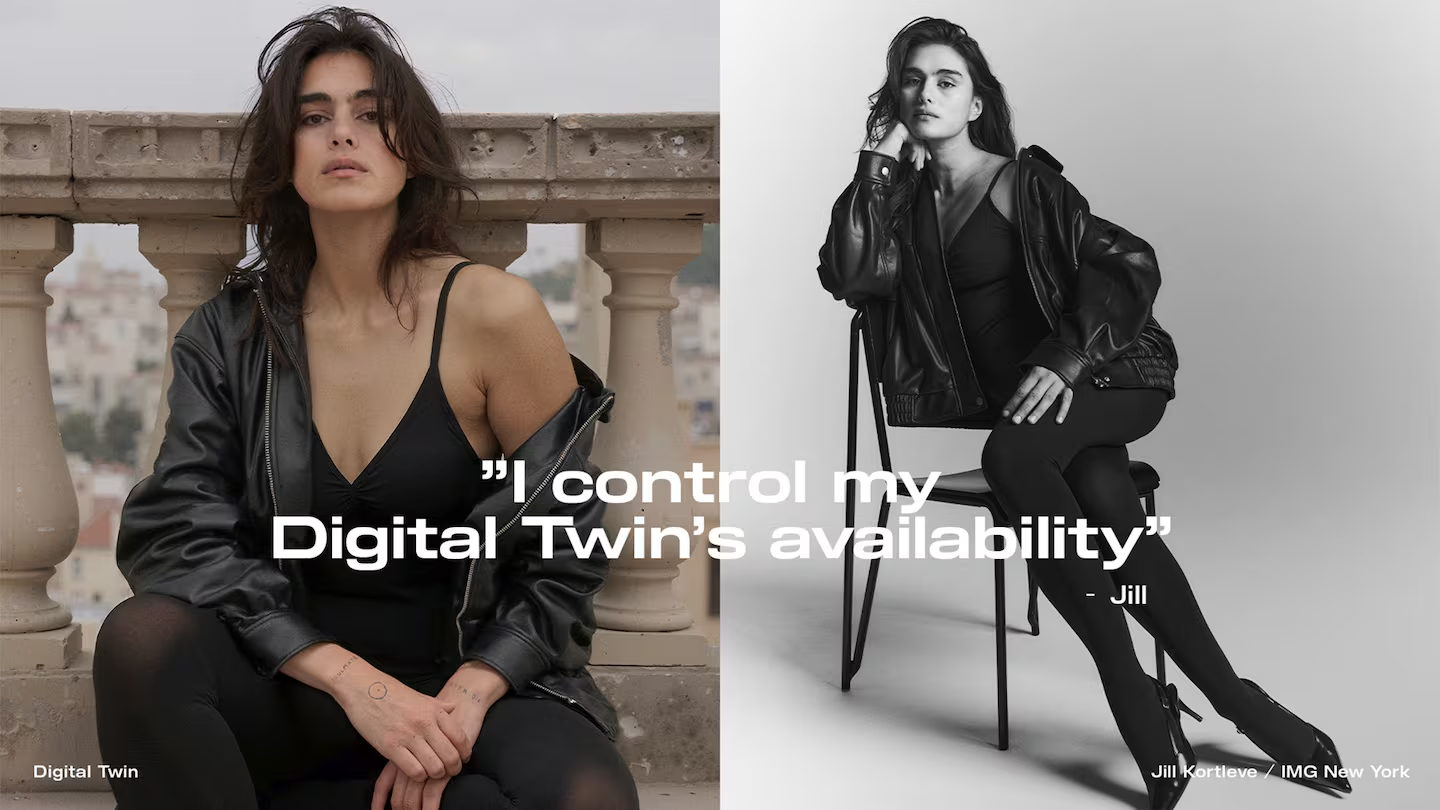
In a move that reflects the shifting sands of fashion advertising, H&M has embraced the use of AI-generated “digital twins” for its marketing campaigns, igniting a debate on the future role of technology in fashion. This initiative by the fast-fashion behemoth is seen as a proactive adjustment to inevitable changes within the industry, sparking a mix of apprehension and admiration from various stakeholders.
Technology and marketing experts, Marc Bain and Haley Crawford, delve into the complexities and implications of this technological adoption. H&M’s strategy involves not just the utilization of AI for creating model likenesses but also involves a collaborative approach with real models to ensure they are compensated for their digital representations.
The adoption of AI in fashion marketing is not confined to low-end markets anymore. Luxury brands such as Coach and Estée Lauder are now employing advanced tools like Adobe Firefly to craft digital twins of their products. This strategy is aimed at enhancing content scalability and design experimentation, reflecting a broader industry trend towards integrating AI in creative processes.
However, the rapid deployment of AI technology comes with its set of challenges, particularly in terms of regulatory compliance and ethical considerations. “The technology’s pace has surpassed the current legal frameworks, which are still scrambling to establish norms for AI transparency in advertising,” explains Bain.
Moreover, there is a growing concern among creative professionals about the potential erosion of the collaborative spirit that is central to traditional fashion shoots. Bain highlights the risk to the communal aspect of fashion creation, which could diminish as AI takes on a more significant role in the ideation and execution phases.
Despite these challenges, the rise of AI-generated imagery is also seen as a catalyst for innovation within the artistic community. According to Crawford, “The evolution towards AI necessitates that photographers and artists push the boundaries of creativity even further, exploring new forms and narratives to maintain relevance and uniqueness in their work.”
As the fashion industry grapples with these technological advancements, the journey of AI from a behind-the-scenes tool to a mainstream marketing asset offers a glimpse into the future of fashion advertising—one that balances innovation with the essence of human creativity.


