


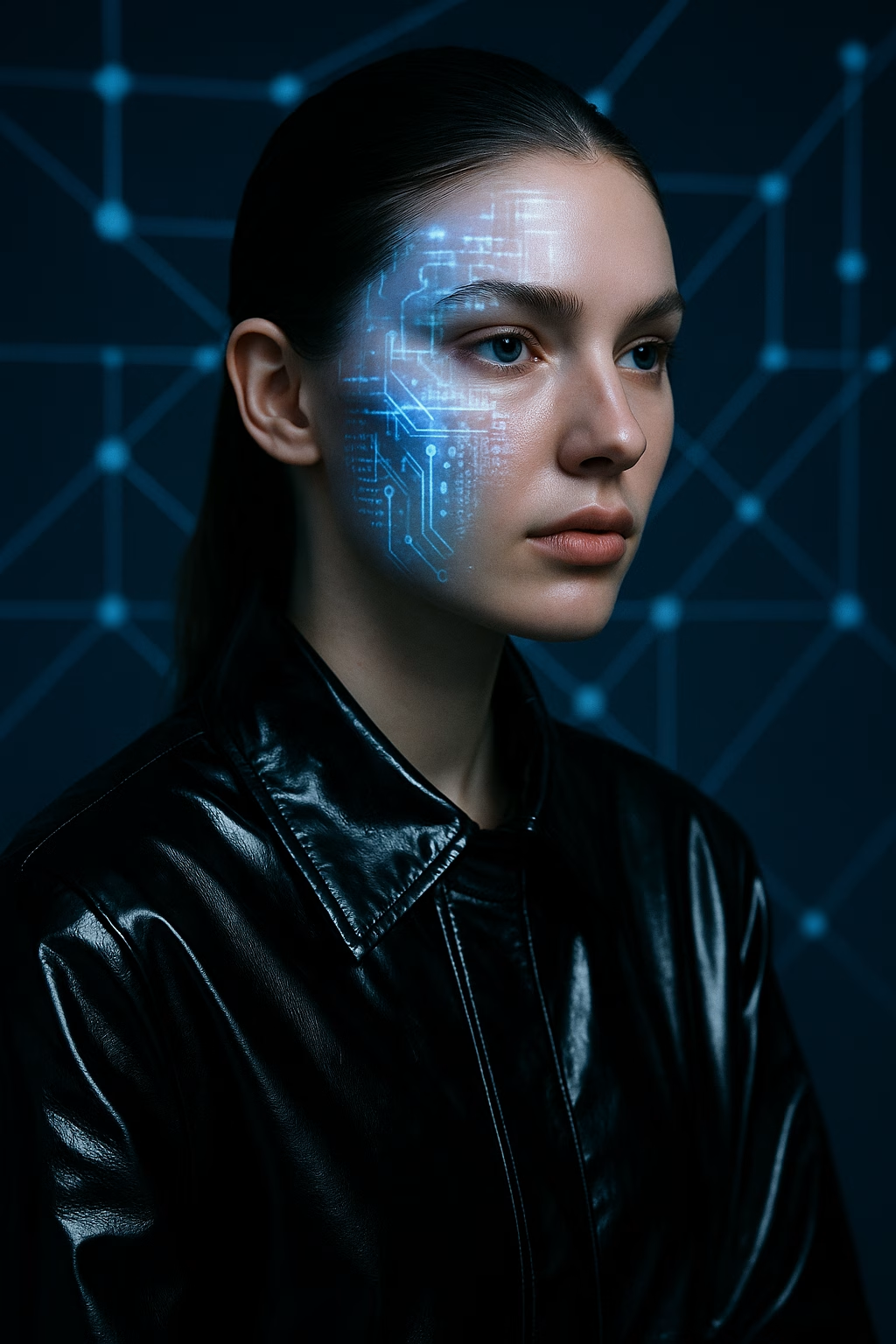
The fashion industry loves innovation, but few topics have shaken its foundations as much as artificial intelligence. While AI has been celebrated for its creative potential, it’s also quietly reshaping the very idea of work in fashion from design studios to editorial desks, from production floors to digital campaigns.
Today, AI in fashion is no longer an abstract trend. It’s the invisible hand behind personalized shopping, virtual try-ons, automated photo retouching, and data-driven design decisions. As technology accelerates, the question isn’t whether AI will change fashion jobs it already has. The real question is how far this transformation will go.
The New Face of Creativity
AI tools can now generate entire fashion collections, predict consumer moods, and even design campaigns that look eerily human. Brands like Balenciaga, Gucci, and Prada have all experimented with AI-generated visuals and digital storytelling, while fashion media explores how algorithms can co-create content.
For designers and creatives, this new reality means adaptation. Traditional roles are shifting toward hybrid ones: creative technologists, AI stylists, data-driven editors. The future of fashion jobs belongs to those who can merge intuition with technology who understand both fabrics and frameworks.
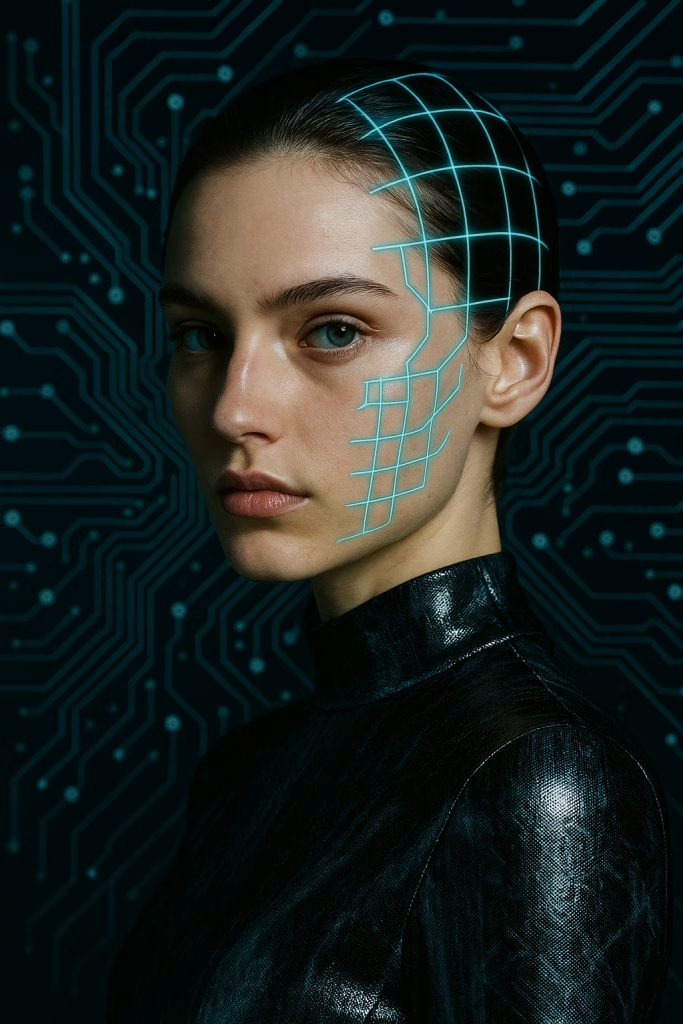
Between Fear and Opportunity
Not everyone in the industry feels ready. Many fear that automation could replace human artistry, from pattern makers to photographers. But others see AI as a tool for empowerment. It removes repetitive work, speeds up processes, and leaves more space for imagination.
Still, this transformation raises uncomfortable questions. What happens to authenticity when machines predict what people will wear? Can emotional storytelling survive in a world led by algorithms?
Toward a Real Conversation
The fashion world has always celebrated creativity, but now it must also embrace transparency. It’s time for open dialogue about how artificial intelligence changes fashion not just the aesthetics, but the human cost and opportunity behind it.
As the lines between human and machine continue to blur, one truth remains: technology will not replace creativity, but it will redefine what it means to be creative.
Fashion doesn’t need to resist AI. It needs to understand it, shape it, and make sure the future it designs is still human.


