


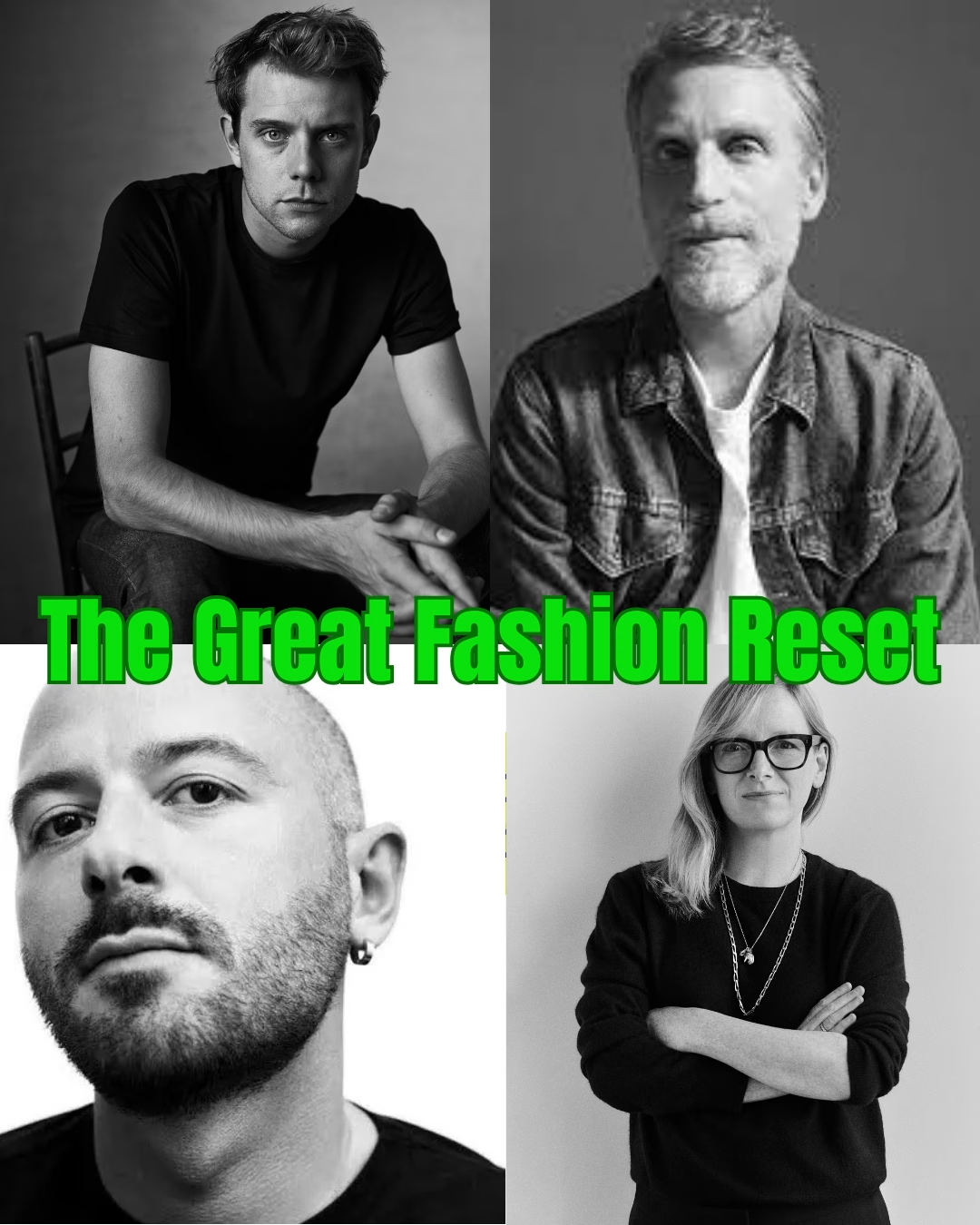
The luxury fashion industry is facing its greatest identity crisis in the past two decades. After years of accelerated growth, skyrocketing prices, and collections launched at an almost unsustainable pace, consumers are becoming harder to impress. Sales are slowing down, younger buyers demand responsibility and authenticity, while investors push relentlessly for clear results. Under this pressure, major fashion houses have hit the RESET button.
But how much of this reset is a genuine strategy, and how much is just a well-staged spectacle?
Why a reset is needed
In 2024, the global luxury market grew by only 4%, compared to double-digit growth rates in previous years (source: Bain & Company). At the same time, some brands reported steep declines: Gucci, for example, posted a drop of nearly 20% in the first quarter of 2025, the weakest result in Kering’s portfolio.
Consumers no longer buy simply for status. They are looking for real value and credible storytelling. Younger generations demand transparency, sustainability, and cultural relevance. This forces brands to rethink their direction fundamentally.
Major examples of resets
Gucci: from stagnation to a bold new gamble
After the departure of Sabato De Sarno, whose minimalist collections failed to reignite sales, Gucci appointed Demna (formerly of Balenciaga) as its new creative director. The move was paired with a major managerial shift: Francesca Bellettini, credited with driving Saint Laurent’s success, stepped in as Gucci’s new CEO. This double reset creative and strategic aims to restore the brand’s lost energy and relevance.

Givenchy: back to timeless elegance
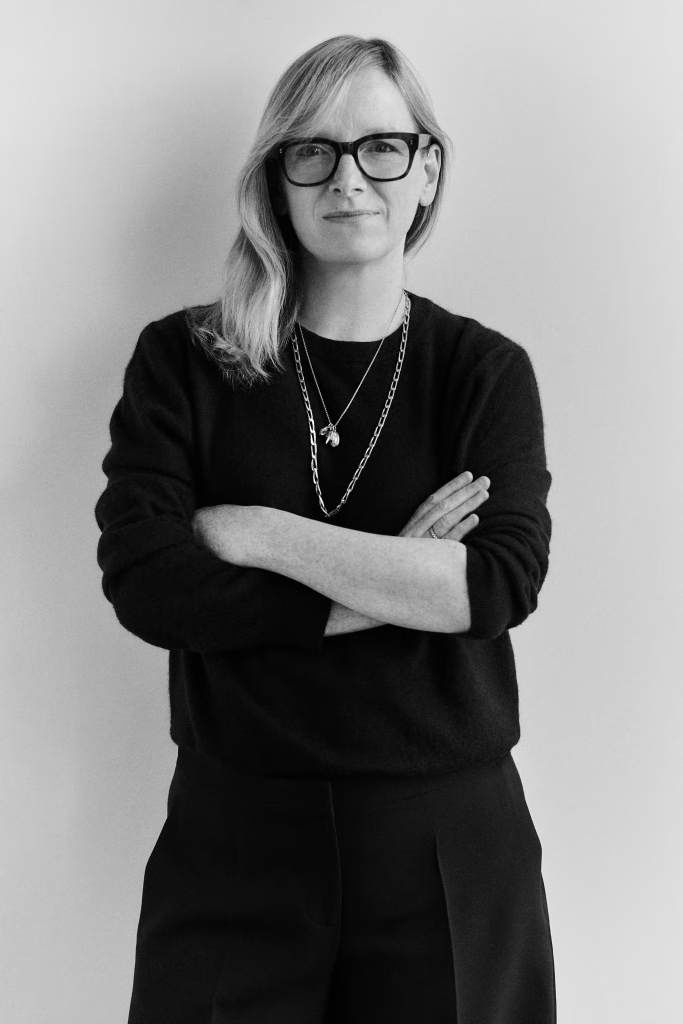
In a landscape dominated by shock and spectacle, Givenchy took a different path, naming Sarah Burton (former creative director at Alexander McQueen) to lead the house. Burton is known for her respect for heritage and craftsmanship, signaling that a reset doesn’t always mean disruption it can also mean a return to values that bring credibility and stability.
Loewe: the end of an era
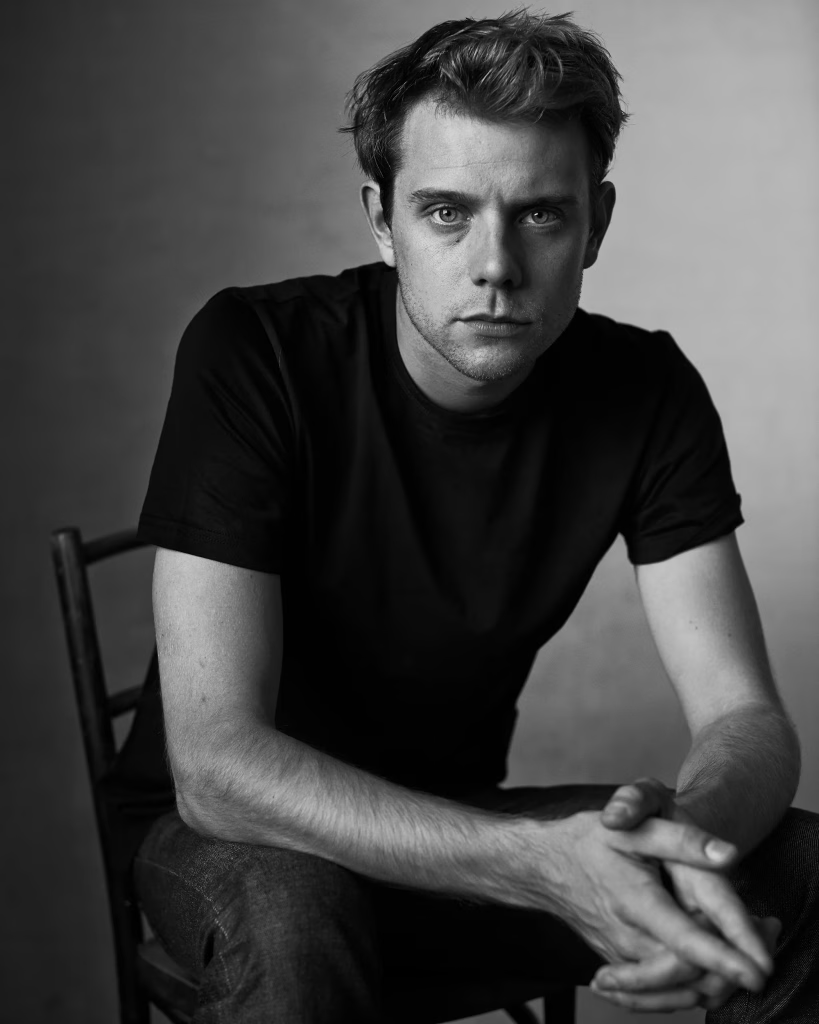
Jonathan Anderson announced his departure from Loewe after transforming the Spanish house into a global phenomenon with his artistic, innovative aesthetic. His exit marks both a moment of vulnerability and an opportunity: how will Loewe continue its ascent without the figure who defined it for over a decade?
Bally and Simone Bellotti: reset through subtlety
Not all resets come with fireworks or radical statements. Simone Bellotti, who took over as creative director of Bally in 2023 after years at Gucci and Dolce & Gabbana, chose a different path: subtlety, respect for the Swiss brand’s heritage, and a slower, more deliberate pace. Through her collections, Bellotti emphasizes timeless elegance, quality, and a consumer-centric approach. It’s proof that a reset can also be a steady process that rebuilds a brand step by step.

Challenges behind the scenes
Resetting doesn’t guarantee success.
- A skeptical consumer: even with a fresh creative vision, soaring prices are difficult to justify in today’s uncertain economic climate.
- Risk of losing identity: abrupt changes in direction can confuse loyal clients. A spectacular collection may draw attention, but without consistency, it won’t secure long-term loyalty.
- Greenwashing pitfalls: sustainability is vital, but when it’s not authentic, it can destroy a brand’s reputation faster than it can save it.
What actually works
- Authenticity: brands that not only promise but deliver real transparency and responsibility earn trust.
- Heritage reinterpreted: returning to archives and reworking a house’s DNA generates genuine emotional impact. Gucci, Givenchy, and Bally are clear examples.
- Fewer, better collections: slowing down the rhythm and focusing on craftsmanship and timeless design rather than endless “newness” resonates more with today’s audience.
Conclusion
“The Great Fashion Reset” is not just a catchy headline it’s the industry’s reality. It may well be the last chance for luxury houses to rebuild relevance in a world where consumers no longer buy illusions, but demand substance.
Fashion doesn’t need another flashy revolution. It needs a true reset of values: authenticity, respect for heritage, real sustainability, and products built to last. If brands deliver on this promise, the reset could mark the beginning of a new era. If not, the question “reset or game over?” may soon receive a much harsher answer than anyone in the industry would like.


